Reffnet case study: Sustainable Climbing Holds

Climbing holds from Resetter Climbing As part of a Reffnet consultation, we supported Resetter Climbing in their efforts to develop sustainable climbing holds. Today, most climbing holds are made of polyurethane or polyester. After heavy wear, damage or when the climbing holds become "out", the old holds are burned. Resetter Climbing has now developed [...]
ScreenFood research project – for safe food and packaging

For three years, we will be supporting the European research project "Metrology for Food Safety in the Circular Economy: Targeting and Screening Methods for Contaminants in Food and Recycled Packaging," or "ScreenFood" for short, as an associated partner. The project aims to make food and food contact materials safe in the long term. To this end, measurement methods for detecting contaminants in food and [...]
Workshop on the Made in Zurich Initiative for Circular Packaging

As part of the event «KLW konkret – Verpackungen optimieren», we shared our expertise in circular economy and packaging optimization with members of the «Made in Zürich Initiative». While the participants developed creative solutions, we supported them with technical expertise. Keynote speech on the concrete implementation of the circular economy for packaging With a keynote speech, Melanie Haupt introduced the attendees to the […]
Launch of the BioPlastics Expert Group

How should bioplastics be assessed, and how can the biological cycle be sustainably ensured? These and other questions are discussed in the BioPlastics expert group and new measures are being developed – join us now!
Research project «Screen for Food Safety» launched

Within the framework of a European research project, we will be involved in the next three years with measurement methods for the detection of contaminants in food and food packaging and will contribute to their development and harmonization.
How much plastic do we consume in Switzerland?

What do the plastic material flows in Switzerland look like? This question was scientifically answered by ETH in 2022. A simple and understandable overview of plastic consumption and its recycling has now been created in collaboration with the authors and is now available.
Which paper and cardboard packaging is recyclable in Switzerland?
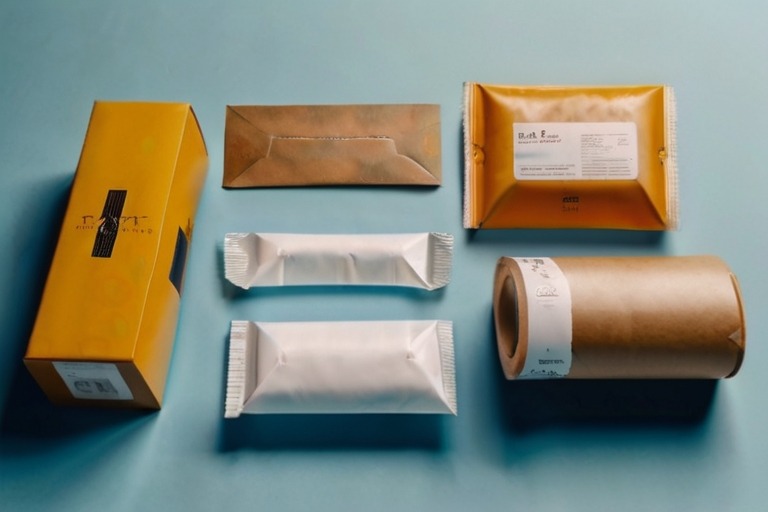
Together with Swiss Recycle, we have created the white paper “Paper and Cardboard – a General Overview”. This document provides information on current international standards and national criteria for the recyclability of lightweight paper and cardboard packaging. The common understanding created in this way will enable the development of further white papers or guidelines.
Life cycle assessment and evaluation of the recyclability of food packaging
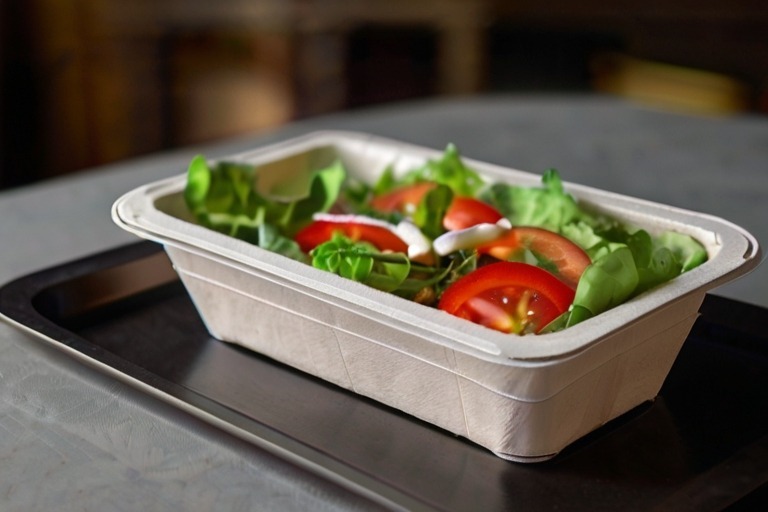
As part of her bachelor's thesis in environmental engineering at the ZHAW, Lea Schneider examined the recyclability and life cycle assessment of food packaging. Problem statement: The substitution of plastic packaging with paper, cardboard, or other fiber packaging (fiber-based packaging) in the food sector is a growing trend. Packaging should be recyclable, as resource-efficient as possible, and environmentally friendly while simultaneously protecting the contents. Considered […]
Neutralization of HBCD (Flame Retardant) in "Old" EPS Insulation Materials

Background Information: Insulation materials for buildings can be made from a wide variety of materials. Expanded polystyrene (EPS) and extruded polystyrene (XPS) are frequently used today. Like other thermoplastics, these materials are theoretically easy to recycle. In addition, according to several studies, the amount of recycled (post-consumption) insulation materials will increase sharply in the future. The potential to return these materials to the cycle is therefore significant […]
Packaging Cockpit – Making the recyclability of packaging comparable in Switzerland

The packaging industry is currently facing major challenges. The Packaging and Packaging Waste Regulation (PPWR, also known as the EU Packaging Regulation) is a regulation that will be binding for all EU member states and will require a rethink and new approaches to packaging development in many respects. Examples include recyclability, recycled content, and regulations on [...]